
5 min read
What Is Exosome Skin Therapy? A New Field, Measured Words
What is exosome skin therapy, how is it thought to work and where does the evidence sit? A short, honest guide that does not hide how new the field is.
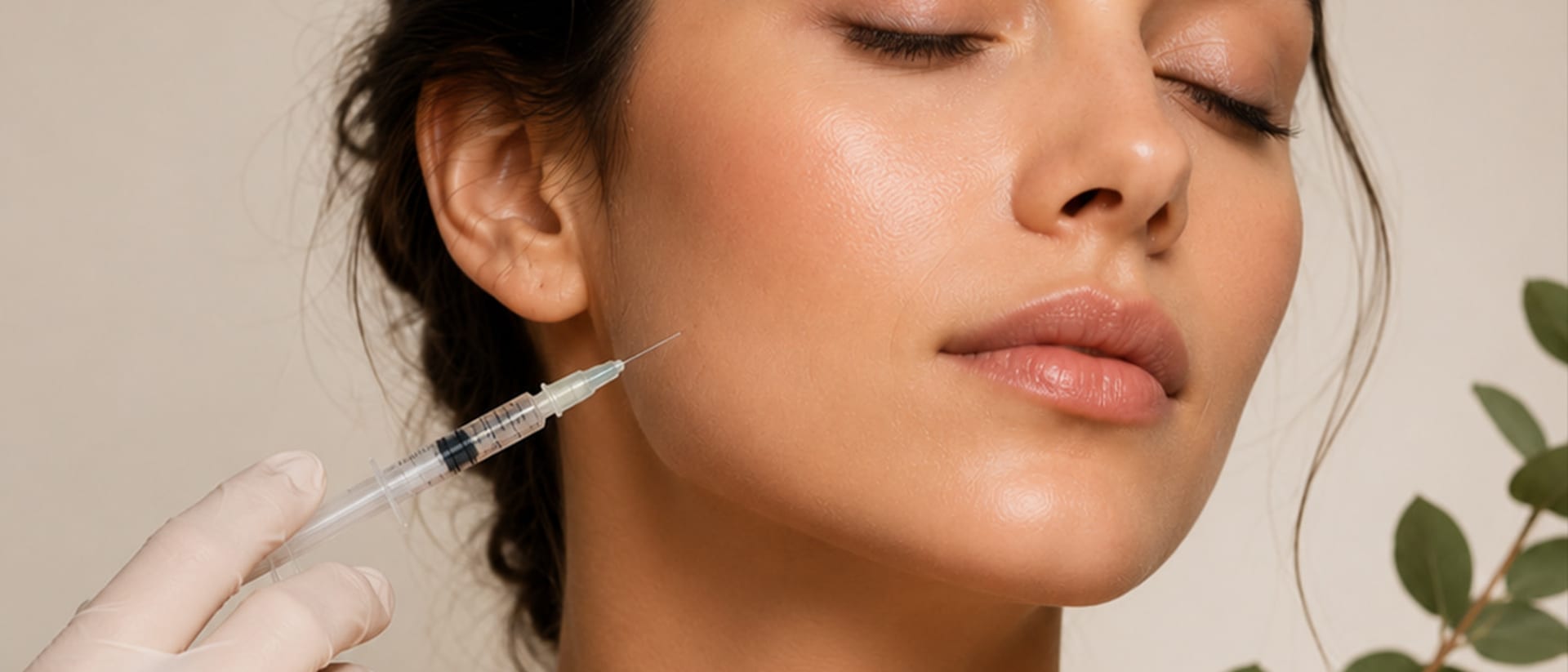
An honest answer to what is exosome skin therapy has to describe the mechanism while also saying how new the field is. That is not belittling the treatment; it is letting people decide having heard what is known and what is not. This article handles both together.
What are exosomes?
Short answer: Exosomes are very small vesicles cells use to send signals to one another. They carry growth factors and signalling molecules inside them.
The aim of the treatment is described as delivering a renewal signal to the cells in the target tissue.
The words "is described as" are deliberate. The field is new and the account of the mechanism should be framed more cautiously than a claim of definite effect.
That cautious language is used on the clinic's own treatment page as well; the account being consistent is the least anyone should expect.
Where does the evidence sit?
Short answer: This field is relatively new. The FDA consumer alert notes that regenerative products containing stem cells and exosomes are unapproved and that marketing claims can run ahead of the evidence.
That alert belongs to US regulation; in Türkiye licensing is handled by TİTCK. But what the alert points at is the language of claims rather than the difference in regulation.
Saying so does not mean advising against the treatment. What it means is this: the promise should be measured, and a claim of definite result does not match the field's own situation.
Hearing that before deciding is the only thing that prevents disappointment later; stem cell aesthetics claims is covered separately.
Which complaints does it come up in?
It is considered in people describing a fall in skin quality, dullness and a generally tired look.
Supporting the skin's own capacity to repair is described within the same frame.
Hair loss is a separate heading where this product is also discussed, though skin and scalp require different planning.
What they share is this: none of them relates to volume loss. Where the source is volume loss this treatment does not deliver the expected change; what exosome therapy addresses is covered separately.
How is it applied?
The product is applied to the skin by micro-injection or alongside microneedling. The technique varies by area.
Temporary redness and tenderness at the treated points are ordinary. These findings belong to the procedure and fade quickly.
The number of sessions and the interval are planned for the person; it is generally thought of as a series rather than a single session.
Avoiding irritation of the area, sun and make-up in the first 24 hours is advised. Those instructions vary by area and technique and are given to you specifically at the end of the session.
What does the regenerative heading mean?
This treatment sits under a heading aimed at supporting the tissue's own renewal processes.
Different approaches sit under that same heading and they are not all the same thing. Which approach is being used is a question worth asking; what regenerative treatment is is covered separately.
That breadth makes comparison harder too. Two people saying "I had a regenerative treatment" may be talking about different approaches.
What the heading shares is that the result reads gradually. That is what separates it from volume-adding treatments.
When is the result read?
Short answer: The effect is gradual and the assessment is made once the series is complete. The redness seen in the first days belongs to the procedure and has nothing to do with the result.
The change reads over weeks and expecting a difference on the day of treatment does not match how this treatment works.
Keeping photographs is the most practical way to follow it: frames taken in the same light, from the same angle and with the same expression show what a daily glance misses.
Who is it not used for?
It is not used during pregnancy and breastfeeding, where there is active infection in the treatment area, or during an active phase of an autoimmune condition.
In people taking blood thinners the decision is not made alone; whether the medicine can be stopped is a decision for the doctor who prescribed it.
Where there is an active skin problem in the area the session is postponed; that is a temporary barrier and the treatment can be planned once the picture settles.
Being able to verify that the product is licensed belongs here too. The treatment's own page sits under exosome therapy.
Frequently asked questions
Is the effect proven? This is a relatively new field and the FDA consumer alert notes that regenerative products containing stem cells and exosomes are unapproved. That needs saying plainly; an account promising a definite result does not match the field's own situation.
Is it stem cell therapy? It is not the same thing. Exosomes are vesicles cells use to send signals; they are not the cell itself. The two headings get confused often and are used interchangeably in marketing language, when in fact they refer to different things and need handling separately.
Is the result visible straight away? It is not. The effect is gradual and the change reads over weeks; the redness and tenderness seen on the day belong to the procedure and have nothing to do with the result. The assessment is made once the series is complete, and that falls weeks later.
How many sessions are needed? It is generally planned as a series rather than a single session, but the number cannot be given before examination. The state of the area and the response obtained decide it together. The first result decides the next step, and that assessment is made weeks later.
If you would like to talk through the source of your complaint and whether this treatment suits you, the consultation assesses the area by examination.
This article is for general information and is not medical advice. Assessment and treatment decisions follow a medical examination; results vary between individuals.