6 min read
Salmon DNA (Polynucleotide) Therapy Explained
What polynucleotide therapy is, how salmon DNA supports skin quality, why it is discussed for the under-eye area, and who it is not suitable for.
If your skin looks tired but not exactly "deflated," filler is probably not the answer. Thin, dry, dull skin is a quality problem, not a volume problem — and polynucleotide therapy is the regenerative approach built for that layer. This guide explains what polynucleotides actually are, how they work on skin quality, why the under-eye area comes up so often, what a session involves, and who should not have this treatment at all.
What polynucleotides are
Polynucleotides are chain-like fragments of the DNA molecule. The ones used in aesthetic medicine are derived from salmon and put through extensive purification — which is where the name "salmon DNA" comes from.
The choice of source is not arbitrary. The building blocks of salmon DNA are highly similar to those of human DNA, and that similarity matters for how well the tissue tolerates the material. Purification removes protein residues, so what is delivered is a biologically compatible fragment rather than raw fish extract.
One misconception is worth clearing up immediately. A polynucleotide is not a filler, and it is not a genetic intervention. It does not alter your DNA or carry information into your cells. Being structurally a DNA fragment does not make its function genetic — in the tissue it behaves more like a scaffold and a water-binding agent.
What it does for skin quality
Polynucleotide therapy sits squarely inside regenerative aesthetics: the aim is not to place something into the tissue, but to support the tissue's own capacity to renew itself.
Current evidence suggests polynucleotides may play a supportive role in:
- Hydration. They bind water, contributing to moisture held within the skin rather than sitting on top of it.
- Fibroblast activity. Fibroblasts produce collagen and elastin. Polynucleotides are thought to help create a favorable environment for these cells.
- Tissue quality. The goal is gradual improvement in skin thickness, elasticity, and overall condition.
Expectation-setting is the important part here. The effect is not immediate. Change develops gradually, generally over weeks, as the skin's own renewal process responds. And because polynucleotides add no volume, significant volume loss is a different conversation entirely.
That is why they are usually discussed as part of a plan rather than a standalone fix. They share a philosophy with skin boosters: improve the skin itself instead of filling it.
Why the under-eye area comes up so often
The under-eye is where polynucleotides are most discussed, and the reason is anatomical. The skin around the eyes is the thinnest on the body, which makes every problem there more visible: the bluish cast of underlying vessels, fine lines, dryness, the general look of fatigue.
That same thinness makes the area delicate for conventional volume approaches. On thin skin, volume that has not been carefully planned can draw more attention to exactly what you were trying to soften. And very often the underlying issue is not missing volume at all but poor tissue quality — the skin has thinned, so what lies beneath shows through.
This is the gap polynucleotides are considered for: supporting the skin's own quality, hydration, and thickness rather than adding bulk.
That said, dark circles have several possible causes — vascular, pigment-related, hollowing, or a combination — and polynucleotides do not answer all of them equally. Which cause dominates in your case can only be established in person. Our dark circles and regenerative options article goes through this in more detail.
The session and the plan
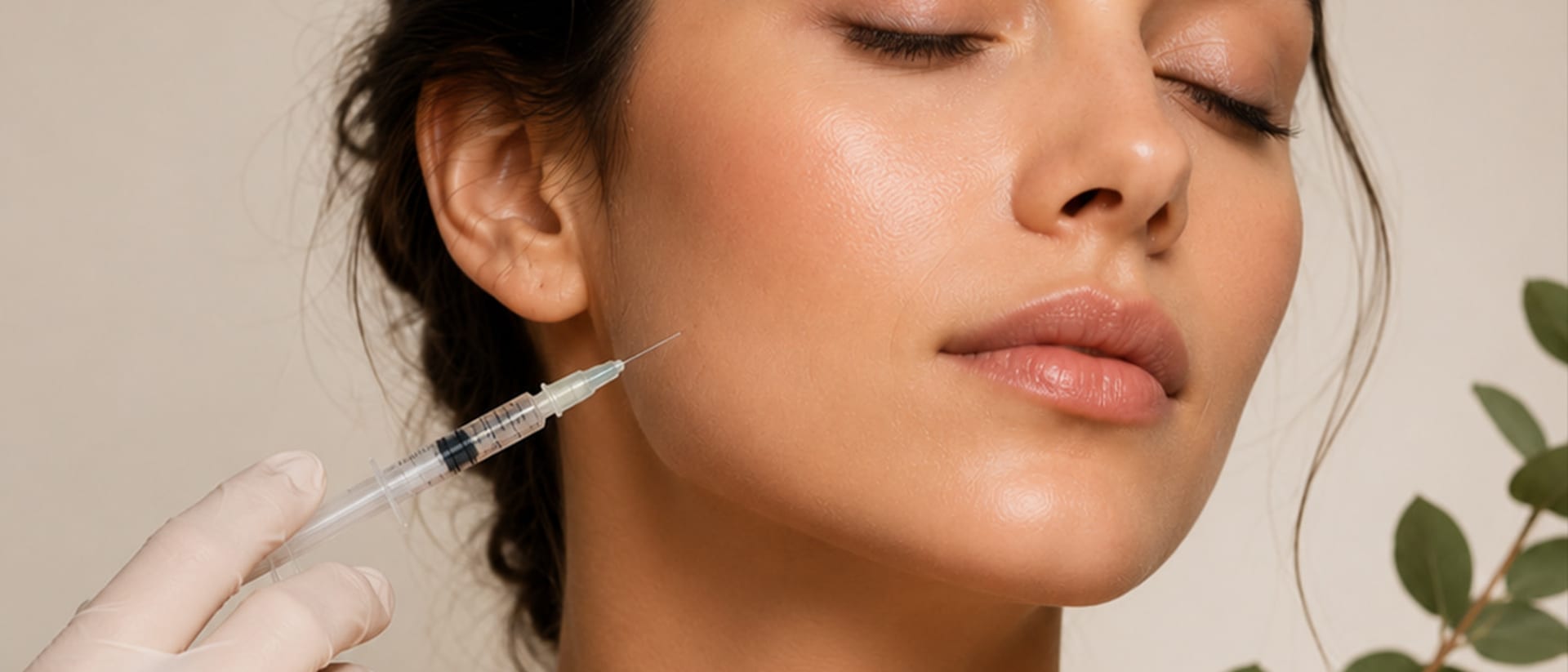
Small amounts of product are delivered into the target area with fine needles. Topical anesthetic can be applied beforehand for comfort. Sessions are typically short, and most people return to normal activity quickly.
Afterward you may see brief redness, mild swelling, or small bruises, which usually settle within a few days. Intense exercise, saunas, and direct sun exposure are best avoided on the day of treatment.
The number of sessions and the interval between them vary from person to person. Regenerative treatments are planned as a course rather than a one-off, often followed by maintenance sessions. How many you need depends on the area, your skin condition, your age, and your goals. There is no standard protocol that fits everyone, and no plan should be set before an examination.
If you are weighing this against other regenerative options, PRP vs. exosome vs. polynucleotide compares the three side by side.
Planning a visit from abroad
For patients traveling to Istanbul, the practical question is sequencing rather than speed. Because this therapy works as a series, a realistic plan matters more than a packed itinerary, and an assessment always comes first. Our practice is in Yeşilköy/Bakırköy, close to the airport, which makes short, focused visits straightforward for local and international patients alike.
Who it is not suitable for
This section deserves more attention than it does for most treatments. The critical point:
- Fish allergy. The product is salmon-derived. If you have a known allergy to fish or seafood, you must say so at consultation. This is a reason not to proceed, and it is not something to work around.
Beyond that, as with other injectable treatments, therapy is postponed or avoided in cases such as:
- Active skin infection or inflammation in the treatment area
- Pregnancy and breastfeeding
- Uncontrolled systemic illness
- Certain autoimmune conditions or bleeding and clotting disorders
- Known hypersensitivity to any component of the product
These lists are not a self-assessment tool. Whether the treatment is appropriate for you is decided by reviewing your medical history alongside examination findings.
Frequently asked questions
Is polynucleotide therapy a type of filler? No. Polynucleotides do not add volume; they aim to support the skin's own quality, hydration, and tissue structure. They do a different job from filler, though in some cases the two approaches can complement each other.
I have a fish allergy — can I still have this treatment? Because the product is salmon-derived, a known fish or seafood allergy is a significant barrier. Share your allergy history at consultation, and your physician will assess other options that may be appropriate for you.
When do results appear, and how long do they last? The effect is not instant; it develops gradually over weeks as the tissue's own renewal process responds. Longevity varies by area, skin condition, and lifestyle, which is why plans usually include maintenance sessions.
Is your priority skin quality, volume, or the balance between the two? You can schedule a consultation to discuss the approach that suits you.
This content is for informational purposes only and does not replace a medical consultation.