6 min read
Exosome Skin Therapy Side Effects: Expected and Reportable
Exosome skin therapy side effects: which findings are ordinary and which need reporting. A short, plain guide drawing a clear line between the two groups.
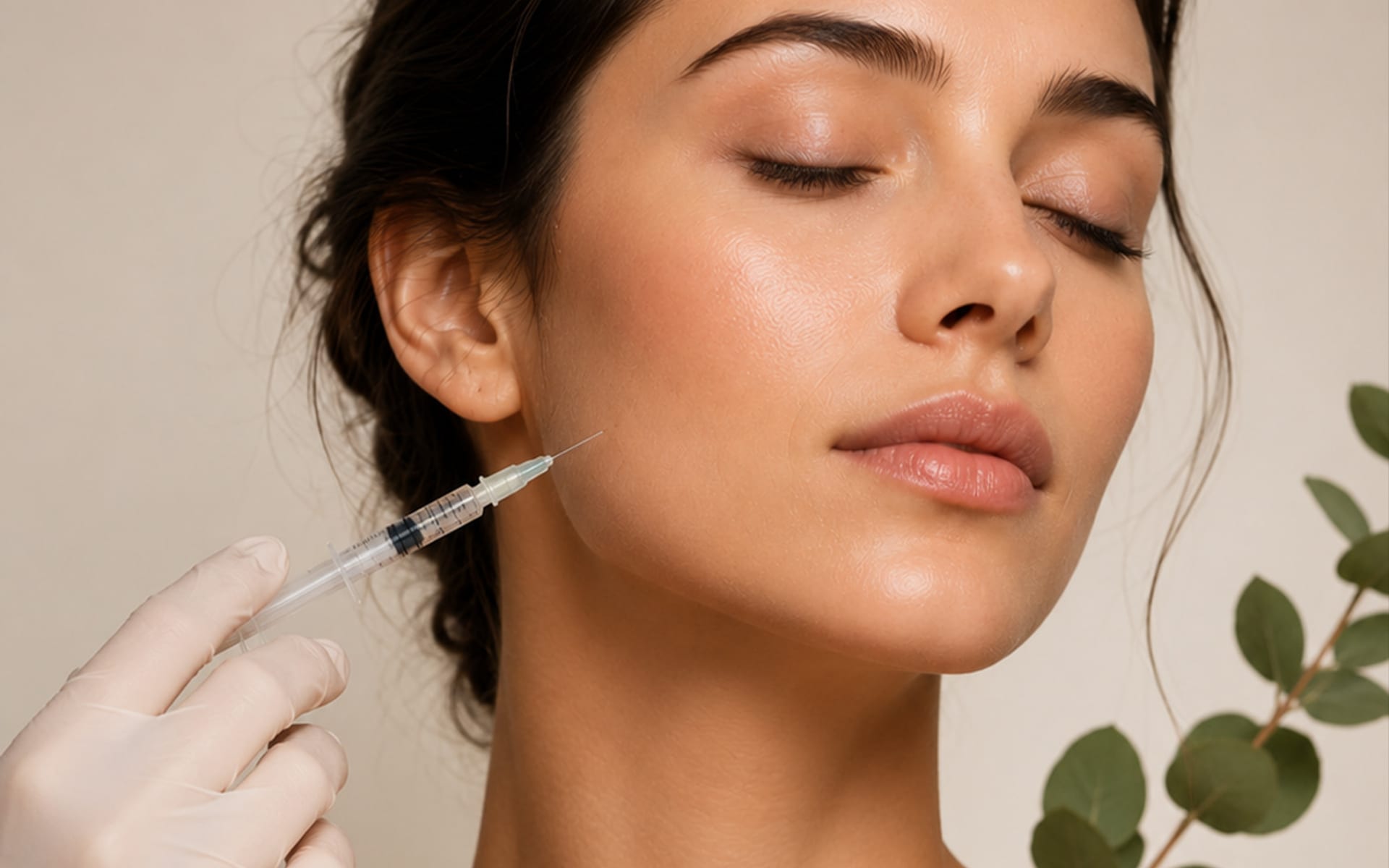
What helps with exosome skin therapy side effects is not lengthening the list but splitting it in two: ordinary findings from the procedure, and findings that need reporting without delay. Without that split people either panic at ordinary redness or sit on something that needed a phone call. This article separates the two groups.
Which findings are ordinary?
Short answer: Redness, mild tenderness, a feeling of tightness and small bumps in the treated area are ordinary findings. They belong to the procedure and fade quickly.
Redness is an expected finding in this treatment and how marked it is varies with the technique used. Applied alongside microneedling it can read more widely.
A mild burning or warm sensation during and after treatment is considered ordinary too. It generally passes quickly.
None of these is read as a sign of a problem on its own; they belong to the treatment's ordinary course. What they share is being marked in the first hours and then fading.
What does the technique change?
Micro-injection and application alongside microneedling do not give the same findings to the same degree.
With microneedling a more widespread redness and mild flaking can be described. That belongs to the technique and is an expected course.
With micro-injection the findings gather at the treated points. Small bumps are more noticeable in that group.
Which technique is used is decided by the area, and it shapes the period after treatment too; what exosome skin therapy is is covered separately.
How long do they last?
The marked phase is generally short and measured in hours. Fully settling can take a little longer.
The factors affecting duration are clear: the technique used, how wide the area was and the person's skin sensitivity.
So taking someone else's experience as your own timetable is misleading. Shared durations are selected examples.
Which need reporting?
Short answer: Increasing pain, spreading redness in the area, fever, discharge and a change in skin colour are not expected findings and should be reported without delay.
What separates these from the ordinary ones is direction and timing. Ordinary findings are marked in the first hours and fade; a picture worsening as the days pass is not in that category.
Widespread itching, a rash or swelling of the face also need reporting. Because these do not stay confined to the treated area they are assessed separately.
How to reach the clinic is told to you at the end of the session, preferably in writing.
Is there a risk of infection?
As with any treatment that breaks the skin barrier there is a possibility of infection. In a treatment carried out under appropriate conditions that possibility is low.
What reduces the risk is clear: proper cleaning of the area, single-use materials and the treatment being carried out by a doctor under appropriate conditions.
Avoiding irritation of the area and make-up in the first 24 hours also reduces the possibility.
The findings suggesting infection are separate: increasing pain, spreading redness, rising warmth, discharge and fever.
The product safety heading
The field being relatively new makes the choice of product a heading of its own. The FDA consumer alert notes that products containing stem cells and exosomes are unapproved.
That alert belongs to US regulation; in Türkiye licensing is handled by TİTCK. But what it points at holds on both sides: what the product is should be known.
Seeing the box and the expiry date is your right; stem cell aesthetics claims is covered separately.
What reduces the risk?
Short answer: The most decisive factor is who carries the treatment out and under what conditions. A treatment that breaks the skin barrier is a medical procedure and managing a possible complication requires medical training.
The second is the pre-session briefing being complete. If the medicines you take, your allergy history and your health background are not asked about, no medical assessment is being made there.
The third is following the instructions afterwards; who it is for is gathered separately. The treatment's own page sits under exosome therapy.
Frequently asked questions
How long does the redness last? It varies with the technique used. Applied alongside microneedling a more widespread redness can be described; with micro-injection the findings gather at the treated points. The marked phase is generally measured in hours and settles on its own.
Can I wear make-up afterwards? Avoiding make-up in the first 24 hours is advised; that reduces both irritation and the possibility of infection. How long for varies with the technique and the area and is told to you specifically at the end of the session; a general description does not replace that.
Can there be a lasting problem? All the expected findings are temporary. A lasting problem is not an expected course, though as with any treatment that breaks the skin barrier the possibility is not zero. What minimises the risk is the treatment being carried out under appropriate conditions by a doctor.
What should I do if a side effect appears? Tell the clinic and do not put it off. Rather than deciding over the phone whether a finding is expected, they may want to see the area. How to reach the clinic is told to you at the end of the session; you should not leave a treatment without that information.
If you would like to talk through which risks stand out in your own picture, the consultation reviews your health history and the area together.
This article is for general information and is not medical advice. Assessment and treatment decisions follow a medical examination; results vary between individuals.