6 min read
Do Fillers and Botox Hurt?
Do treatments hurt? An honest look at what fillers and Botox actually feel like, how pain is managed, which areas are most sensitive, and comfort tips.

Before anyone asks how long results last, they usually ask something simpler: do treatments hurt? It is the question people feel slightly embarrassed to raise, and the one that keeps appointments unbooked. This guide gives a straight answer: what injections actually feel like, how discomfort is managed in clinic, which areas are more sensitive, why pain thresholds differ so much between people, and how to make your session easier.
The realistic answer
Honestly? Not painless, but far more manageable than most people imagine. Any needle entering skin produces a sensation, and promising you will feel nothing would be misleading. What you feel depends on the treatment:
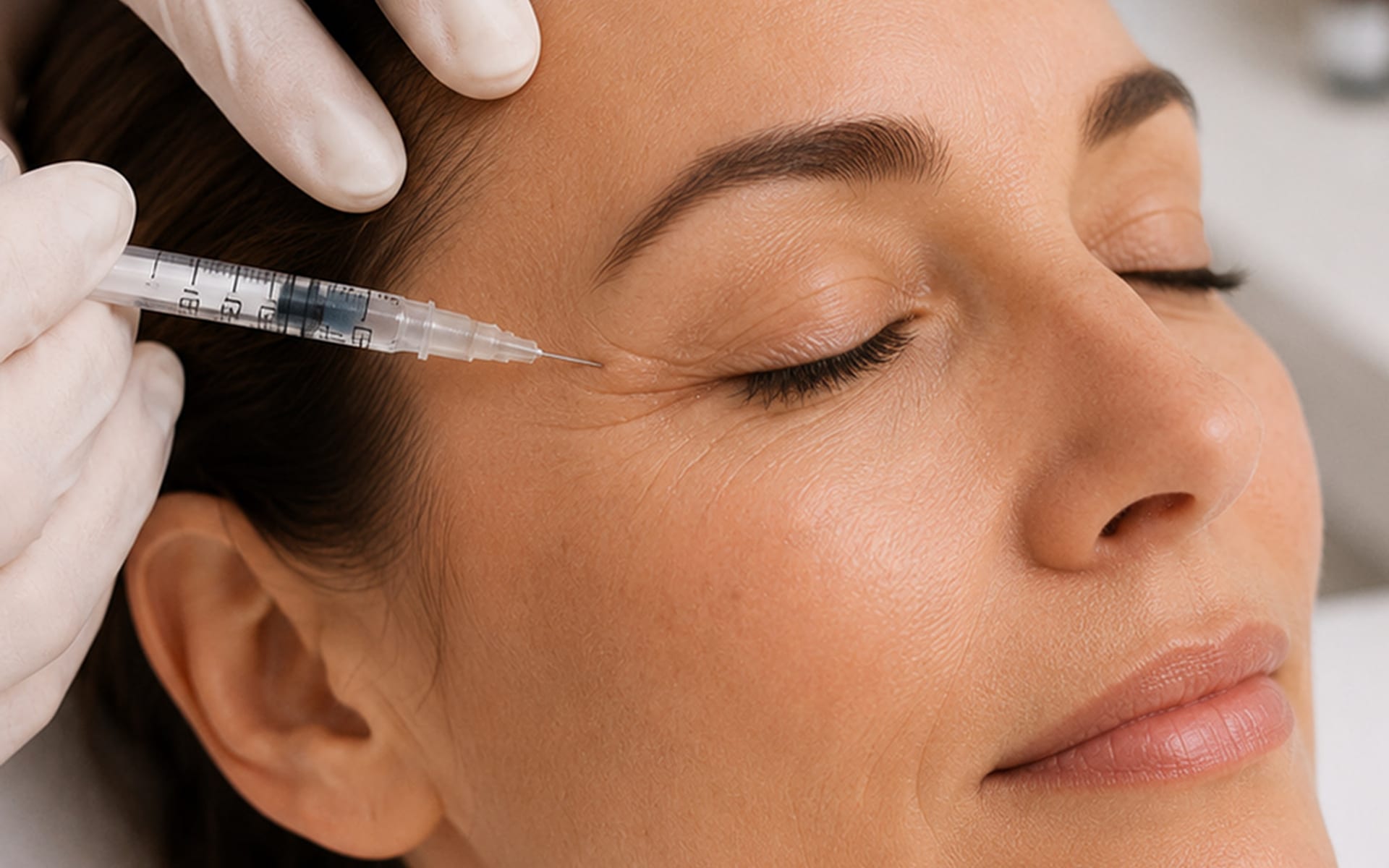
- Botox: Very fine needles deposit small amounts of product into superficial layers. Most people describe a brief sting or an ant-bite sensation. Each point lasts a second or two.
- Filler: A needle or a blunt-tipped cannula places product in deeper layers. Alongside the initial sting there is often pressure, fullness or stretching. Patients tend to call it "strange" rather than painful.
- Mesotherapy and regenerative treatments: Many shallow entry points across an area. Each one is mild; together they create a general tingling.
Duration is its own comfort. Most treatments involve only a few minutes of actual injecting, so discomfort is mild and short. What remains afterwards is usually not pain but tenderness when the area is touched, and it typically settles quickly.
How pain is managed
Comfort is not left to chance in a well-run clinic. Several simple, established tools are used routinely.
- Topical anesthetic cream: Applied to the area and left for roughly 15 to 30 minutes. It numbs the skin surface and makes a noticeable difference in sensitive zones such as the lips.
- Lidocaine-containing fillers: Many hyaluronic acid fillers include a local anesthetic in the gel. You feel the first entry, but as product goes in the area numbs itself and the rest of the session becomes noticeably easier.
- Cold application: A cold pack before or between injections slows nerve endings and constricts vessels, which also helps reduce the likelihood of bruising and swelling.
- Cannula technique: Where appropriate, a blunt-tipped cannula treats a wide area through a single entry point, meaning fewer punctures and a lower risk of vessel injury.
- Pace and technique: Slow injection, correct layer selection and not multiplying entry points unnecessarily shape how a session feels.
Which of these suits you depends on the area treated and your medical history; that decision belongs in a consultation.
Sensitivity varies by area
Nerve endings are not spread evenly across the face, so "did it hurt?" has a different answer depending on where you are treated.
- Lips: Generally the most sensitive area. Nerve endings are dense and the mucosa is thin. This is why topical anesthesia is standard before lip filler, and why lidocaine-containing products bring real relief after the first few seconds.
- Under-eye area: The skin is very thin; people report pressure and watery eyes rather than pain.
- Forehead and frown lines: The most common Botox zones, and most people find them quite tolerable. Between the brows the sensation can feel sharper because of the nearby bone.
- Cheeks, chin and jawline: Product sits deeper, so the dominant feeling is pressure rather than sting.
- Nasolabial folds: Moderately sensitive; numbing cream usually provides enough comfort.
- Scalp and hands: Superficial, quick treatments, usually described as mild.
Broadly, sensitivity is highest around the lips and eyes and decreases as work moves deeper and closer to bone. An average, not a rule.
Pain thresholds are personal
Same treatment, same doctor, same product, and two people will still describe it completely differently. Pain is subjective, and several things shift it:
- Anxiety: Tension raises pain perception. Knowing what is coming is often the most effective analgesic available.
- Fatigue: Thresholds tend to drop after a poor night.
- Menstrual cycle: Some people report heightened sensitivity around their period.
- Past experiences: A bad memory involving needles shapes expectation, and expectation shapes sensation.
- Caffeine: A lot of coffee beforehand can amplify jitteriness.
None of this makes anyone's experience wrong. If one friend felt nothing and another found it hard, both are telling the truth. Nobody can promise how your session will feel, but the steps that improve comfort can be planned beforehand.
Comfort tips
A smoother session mostly comes down to preparation. The comfort-related points from our pre-treatment preparation guide are worth repeating.
- Do not arrive hungry. Low blood sugar makes lightheadedness far more likely. Eat something light beforehand.
- Let the numbing cream work. Starting early wastes the benefit; build the waiting time into your schedule.
- Use your breath. Slow, long exhales reduce muscle tension and pain perception. Holding your breath does the opposite.
- Speak up. If something is uncomfortable, say so. A short pause, a slower pace or more cold usually solves it.
- Disclose supplements and medications. These affect bruising more than pain, but they matter for planning.
- Keep a first session simple. With first-time Botox or a first filler, a gradual approach makes the result and the experience easier to judge.
Mild tenderness, redness or small swellings afterwards are expected and usually short-lived. Pain that is unexpected or increasing is different: contact ythe clinic.
Frequently asked questions
Can I take a painkiller before my appointment? Painkillers before a session are generally not advised, as some increase the tendency to bleed and bruise. Share your medications and supplements with your doctor and decide together.
Which area hurts the most? On average the lips: nerve endings are dense and the tissue is thin. That is why topical anesthesia and lidocaine-containing products are used there so often. Individual experience still varies.
I have a needle phobia. Can I still be treated? Many patients arrive anxious about needles and complete their session without difficulty. Say so at the consultation so the plan can account for it: longer numbing time, a cannula where suitable, short breaks, or a shorter first session are all worth discussing.
To talk through your comfort concerns and the pain management options that suit you, you can book a consultation in Istanbul.
This content is for informational purposes only and does not replace a medical consultation.