5 min read
How Long Redness Lasts After Dermapen
How long redness lasts after dermapen, what shifts it and which finding needs reporting? A short plain guide to the subject for anyone weighing it up.
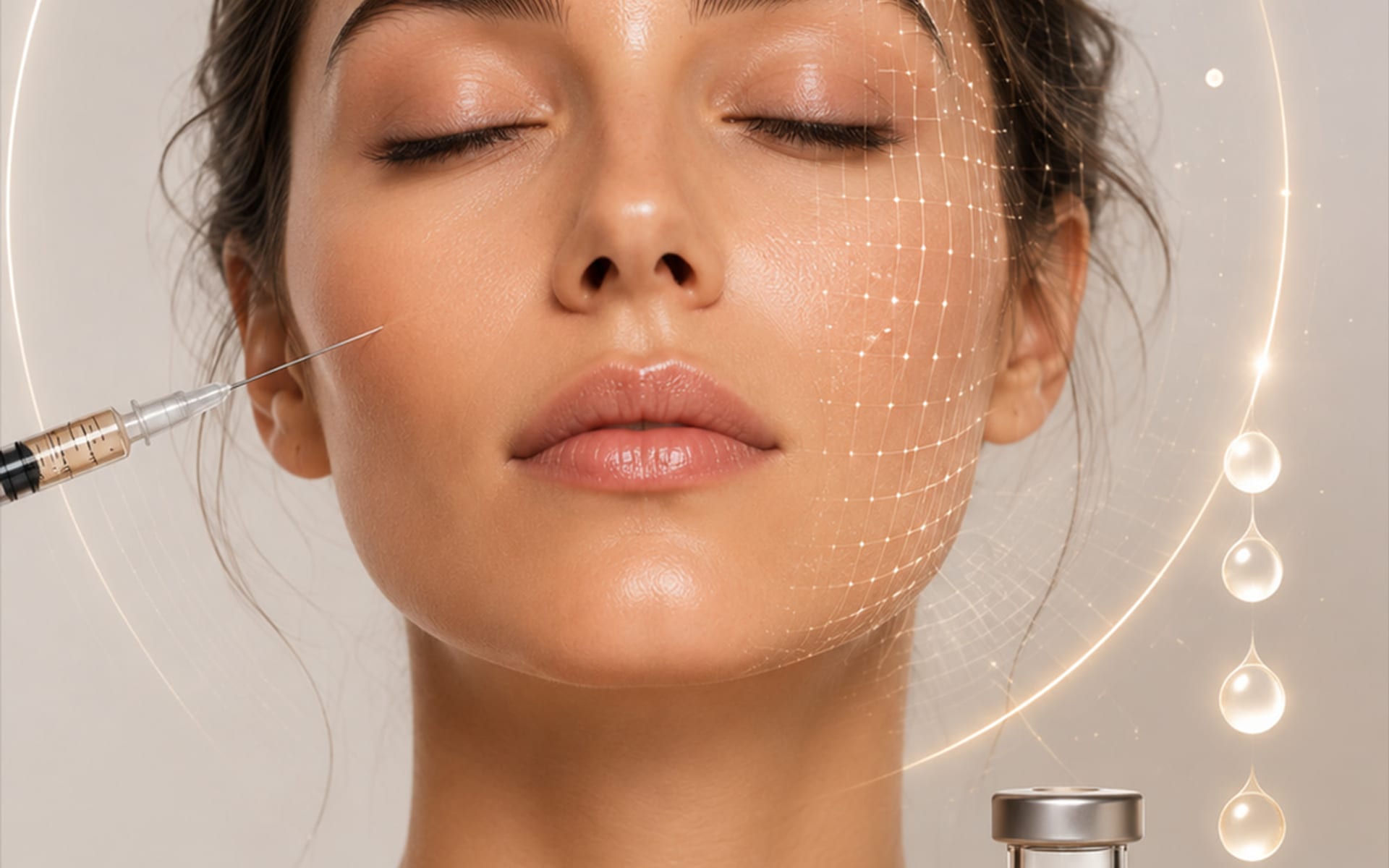
The answer to how long redness lasts after dermapen does not come from a calendar but from how deep and how intensely the treatment was done. Redness is an expected finding and one of the treatment's own marks. This article sets out what shifts the period, which course is ordinary and what needs reporting.
Why does redness happen?
Short answer: The device opens many micro-channels in the skin, and the skin answers that stimulus by starting its own repair response. Redness is the visible face of that response.
So redness is treated as a sign that the treatment is working rather than as a sign of trouble. A feeling of warmth and mild tightness can be described alongside it.
A treatment with no redness at all is not expected. Seeing none usually suggests a very superficial application, which may not produce the response being aimed at.
What shifts the period?
The first factor is the depth applied. As the depth set for the area and the complaint increases, so does the period over which the redness is marked; that relationship is expected.
The second is the area covered and the intensity. A treatment across the whole face and one confined to a small area do not follow the same course.
The third is the skin itself. Skin type, sensitivity and the state of the barrier feed directly into the period, which is why taking someone else's experience as your own timetable misleads.
Which course is ordinary?
Short answer: The ordinary course is a settling one. The redness is at its most marked straight after the treatment and fades over time; direction alone is a measure here.
Mild dryness and flaking can be described over the following days. These are treated as part of the repair process and the skin should not be pushed.
A feeling of warmth that is marked in the first hours and then eases is ordinary too. The mechanism is set out in how it works.
Which findings need reporting?
Increasing pain, spreading redness, fever, discharge and a change in skin colour are not expected findings and need reporting to the clinic without delay.
What separates them is direction and timing. Ordinary findings are marked early and then settle; the ones needing reporting increase over time or appear later.
Unexpected blisters or a cold-sore-like picture should also be reported. The full list sits in the side effects article.
What makes the redness last longer?
Unprotected sun exposure comes first. A skin in repair is more sensitive to sun, and going without protection raises both the redness and the risk of a colour change.
Products that tire the barrier do the same job. Retinol, acid-containing products and peeling are paused for a while; the clinic says when to return to them.
Rubbing the skin, scratching, or picking at flaking areas also draws the period out. None of that speeds up healing; it produces fresh irritation instead.
What is done through this period?
Short answer: No makeup for the first 24 hours, and the skin is cared for only with the products the doctor recommends. The injection points are still closing.
Sunscreen is required through this period. Hot environments, sauna and heavy exercise are put off for the first day; they can make the redness more marked.
We collected the detailed instructions in aftercare. The treatment's own page sits under dermapen.
Frequently asked questions
Can I go to work the next day? How long the redness lasts varies from person to person and with the depth applied, so giving a number of days up front would mislead. If you want to plan around it, telling the clinic your calendar before the session is the practical route; the plan can be adjusted to it.
Can I cover it with makeup? No makeup is worn in the first 24 hours; the injection points are still closing, and covering them means both irritation and an avoidable risk. The clinic says when makeup can be worn again, and that instruction varies from person to person with the state of the skin.
What if the redness does not settle? Direction is decisive. A redness that is settling is on the expected course; one that increases, spreads or comes with pain does not fall in the same group and needs reporting to the clinic. Rather than deciding over the phone, they may want to see the area.
Can I apply ice? What is applied to the skin through this period is decided by the clinic, and not acting on your own is the safest route. A soothing product is used after the treatment and the care routine that follows is explained at the end of the session. If you are unsure, calling beats experimenting.
If you would like to build a plan that fits your calendar, your skin and your medical history are assessed together at the consultation.
This article is general information, not medical advice. Assessment and treatment decisions follow a doctor's examination; results vary from person to person.