
5 min read
How Dermapen Works: From Micro-Channel to Collagen
How dermapen works, why the skin starts its own repair and why results take weeks? A short, plain plain guide to the subject for anyone weighing it up.
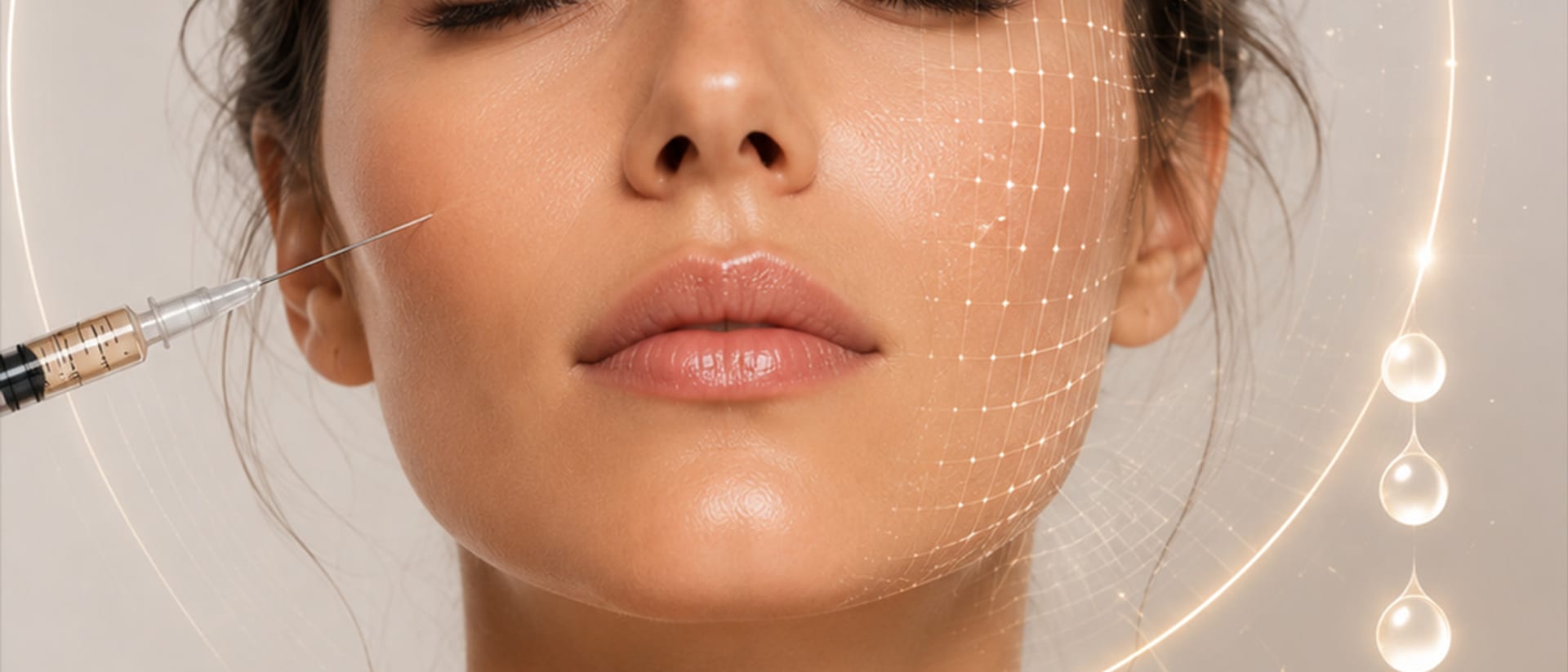
Understanding how dermapen works starts with seeing that the treatment adds nothing to the skin. The device opens many very fine channels, and the result comes not from a product placed in those channels but from the skin's own repair response. This article sets out the mechanism, why it takes time, and what decides the outcome.
What does the device actually do?
Short answer: The very fine needles at the tip open many micro-channels in the skin at a controlled depth. Those channels prompt the tissue to start its own repair process.
The depth is not fixed. It is adjusted to the area and the complaint being targeted; the forehead and the cheek are not worked at the same depth, and that adjustment is one of the most technical parts of the treatment.
Passing the device over the skin is not random either. It moves area by area with the target in view, and the intensity applied varies with the state of the skin.
Why does controlled damage help?
When skin receives an injury signal it starts its own repair programme. That programme includes the production of new collagen, and this is exactly the mechanism microneedling rests on.
The critical word here is "controlled". The aim is not to damage the skin but to give enough of a stimulus to start the repair response; going past that produces a risk of scarring rather than healing.
So who sets the depth and the intensity is decisive. The same device, used with the wrong settings, can produce the opposite of the result it was aimed at.
Why is the result not immediate?
Short answer: Because the result comes from the skin's own response rather than from any substance added, it appears over weeks. Collagen production runs at its own pace.
That does not mean nothing is seen straight afterwards. The redness and warmth of the first days are findings of the treatment itself and should not be confused with the result.
We covered the detail of the timeline in when results show. The assessment is made across a course of sessions rather than after a single one.
Which complaints is it considered for?
It is considered in people describing acne scarring, enlarged pores, fine lines and irregularity at the surface of the skin. What those have in common is that they all concern the surface texture.
Volume loss and sagging are not on that list. A treatment that works the tissue does not replace one that adds volume or provides support; the two sit under separate headings.
If there is active, inflamed acne the order changes: the acne itself is treated first and the scar work is left until later. A treatment applied over inflamed skin can make the picture worse.
How does a session run?
The skin is cleaned and a topical anaesthetic cream is applied and left to take effect. Skipping that waiting period drops comfort noticeably, so it is not rushed.
The device is then passed over the skin at the depth set for the area. A soothing product is used afterwards and the skin is put on a closed care routine for that day.
The treatment's own page sits under dermapen, and the general introduction is in microneedling with dermapen. Why the same mechanism does not transfer to a home device is covered in is an at home dermaroller safe.
What decides the outcome?
Short answer: Three things decide it: the depth and intensity settings, keeping the course going, and the aftercare. Where any one of them is missing, the result drops.
In aftercare the most decisive heading is sun protection. A skin in repair going out unprotected works against the collagen work being aimed at and raises the risk of a colour change.
Keeping the course going is a heading of its own. We covered how many sessions in the session plan; number and interval are set at examination according to the state of the skin.
Frequently asked questions
Does it hurt? A topical anaesthetic cream is used beforehand and left to take effect, which changes comfort noticeably. What is felt still varies from person to person, and areas close to bone such as the forehead can be described as more sensitive. You are expected to say so if you are uncomfortable.
Will my skin peel afterwards? Redness and a feeling of warmth are among the expected findings, and some people describe mild dryness and flaking over the following days. These are treated as part of the repair process. Not pushing the skin, and using only the recommended products, matters through that period.
Does collagen production really increase? The mechanism microneedling rests on is the skin's own repair response, and that response includes collagen production. How much varies from person to person, and no measurable figure is given here. Sources that quote a number are not writing after looking at your skin.
Is one session enough? The treatment is designed as a course because the repair response moves gradually. A single session does not return what a course returns. How many sessions and at what interval is decided at examination and can be updated according to the response the skin gives.
If you would like to talk through whether what you describe fits this treatment, your skin and your medical history are assessed together at the consultation.
This article is general information, not medical advice. Assessment and treatment decisions follow a doctor's examination; results vary from person to person.