6 min read
Natural Aesthetic Treatments for Men
Aesthetics for men starts with male anatomy: stronger muscles, thicker skin, angular jawline. How a masculine, natural plan is built in Istanbul.

Most men who book a consultation open with a version of the same sentence: "I don't want to look different, I just don't want to look this tired." Then comes the real question, asked more quietly: "Will people be able to tell?" Aesthetics for men lives between those two sentences. Here is how male anatomy changes the plan, what a masculine result looks like, which treatments men ask about, and an honest answer to the noticing question.
Male facial anatomy changes the plan
A plan for a male patient is not a female plan with the numbers adjusted; it works with a different structure. The differences below are averages and vary from person to person, but they cannot be ignored during planning.
- Bone structure. The male forehead is generally broader and flatter, the brow ridge more pronounced, the lower face more angular. Cheekbones tend to sit lower and run more horizontally.
- Muscle mass. Expression muscles, especially across the forehead and between the brows, are typically stronger and bulkier, which means a different dosing plan.
- Skin thickness. Male skin is on average thicker, oilier, and more textured. Lines may appear later, but when they do, they are often deeper.
- Vascularity. The male face carries a denser blood supply, which can make bruising a little more visible.
- Brow position. The male brow sits flatter and closer to the eye. The lifted, arched brow that many women like can leave a man looking surprised or feminized.
The consequence is simple: the same product, in the same area, in the same amount, produces a completely different outcome on a male face. Planning starts with anatomy, not a template.
What a masculine, natural result looks like
For men, a natural result has a clear definition: the angular lines that carry your identity are preserved, not softened. Treatment puts back support that time has taken away rather than "correcting" a male face.
In practice, that means:
- The lower face stays angular. Width along the jaw and masseter area is a character feature, not a flaw. Approaches designed to narrow that region are often not appropriate for men.
- The brow is not lifted. The goal is a less heavy upper eye region, not a brow pushed upward.
- Volume has a direction. Fullness sweeping up and out across the cheek reads as artificial on a male face very quickly. The support that works here is flatter and more horizontal.
- The lip area is about balance, not volume. For most men it is not the main subject of the plan.
The measure of success is easy to describe: someone who knows you well cannot say what changed, but tells you that you look well. Every principle of a natural aesthetic approach applies here; only the direction of application differs.
Treatments men ask about most
Men rarely arrive asking to look younger. They arrive asking to look rested. The topics raised most often:
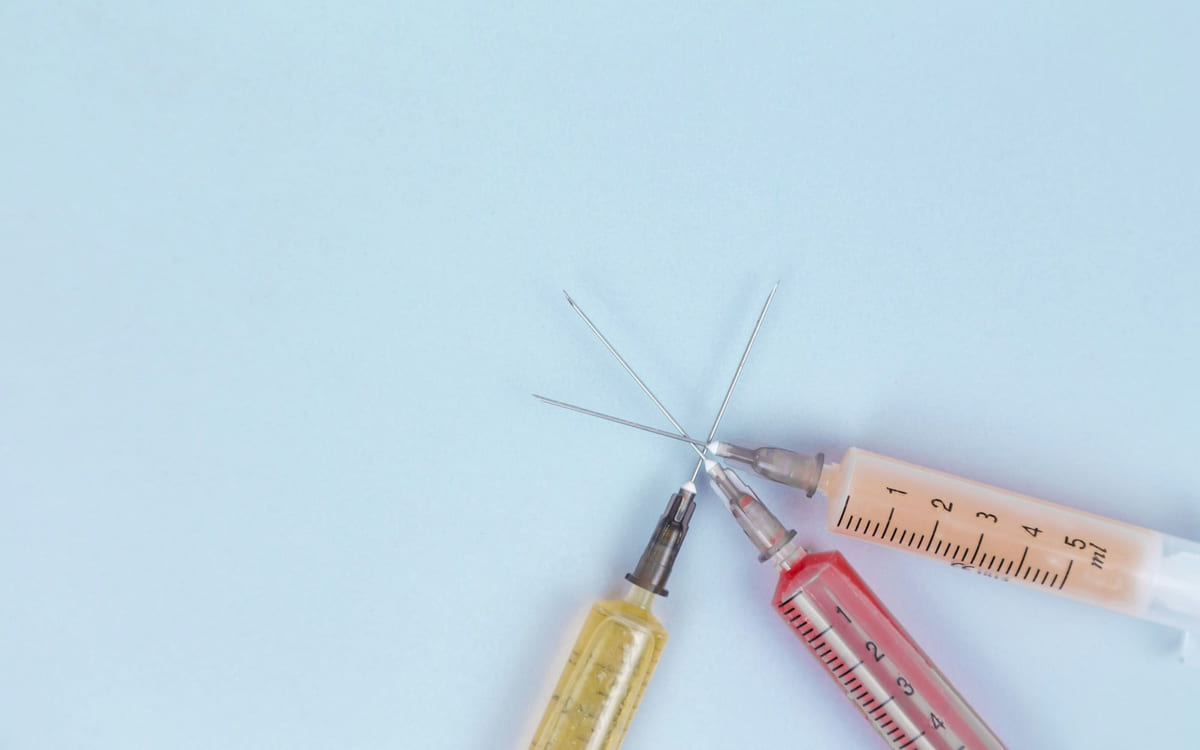
- Muscle-relaxing treatments. Forehead lines and the vertical lines between the brows are the most common complaint. In Botox for men, the aim is not to erase expression but to reduce a stern or exhausted look.
- Jaw and chin support. Definition along the lower face fades with age. Jawline filler can re-establish that line; the target is a clearer edge, not a sharper one.
- The under-eye area. Hollowing and shadowing bother many men more than anything else on the face. The tissue here is thin, so restraint matters.
- Skin quality treatments. Mesotherapy, skin boosters, and regenerative approaches support texture and brightness without adding volume.
- Sweating. Underarm sweating comes up often among patients with demanding jobs.
- Hair treatments. Male hair loss is usually a separate track.
Which of these suits you depends on your skin, age, medical history, and expectations — a decision that can only be made after an in-person examination.
"Will anyone be able to tell?"
Nearly every male patient asks this. Two worries sit underneath it: a frozen face, and colleagues noticing something is off.
The honest answer is that a well-planned treatment softens expression rather than removing it. Because male expression muscles are generally stronger, a measured approach usually leaves most of that expression intact. No physician can guarantee an outcome, though. Results vary from person to person and depend on dose, technique, and areas chosen.
Habits that reduce the risk of an obvious result:
- Start conservatively. Begin with less and review after about two weeks. Adding is always possible; taking away is not always simple.
- Look at the whole face. Treating one area in isolation is how imbalance happens.
- Say what you actually want. Answering "how much change do I want?" out loud with your doctor sets the direction of the result.
Planning treatment as an international patient
Men who travel to Istanbul usually ask about timing rather than technique. Injectable treatments generally allow a quick return to normal activity, but redness, swelling, or bruising can stay visible for a few days, and male vascularity can make bruising slightly more apparent. Build a buffer into your trip rather than scheduling the day before a presentation.
Effects are not permanent; average durations exist and vary by individual. Sleep, sun protection, smoking, and skincare are not replaced by any treatment. A good plan for men is not about doing everything available; it is about doing the right things, in the right order, for your face.
Frequently asked questions
Why is dosing different for men? Male expression muscles are on average stronger and bulkier, so the same area often needs a different plan. This is not a formula: muscle strength varies between individuals, and the appropriate dose can only be determined through examination.
Will jawline treatment make my face look hard? The aim is to support definition lost with age, not to harden the face. With a measured approach the line reads as clearer while proportions stay intact. Excessive amounts here can look artificial, which is why gradual progress is preferred.
Can I go back to work straight after treatment? It depends on the treatment. Most injectable procedures allow a rapid return to daily life, though mild redness, swelling, or bruising may show for a few days.
If you would like to talk through a restrained plan for your face and which areas should come first, you are welcome to arrange a consultation.
This content is for informational purposes only and does not replace a medical consultation.