6 min read
What Is PRP? Facial PRP Benefits
What is PRP, how is it prepared from your own blood, and what does it do for facial skin? Sessions, realistic results and who should avoid it.
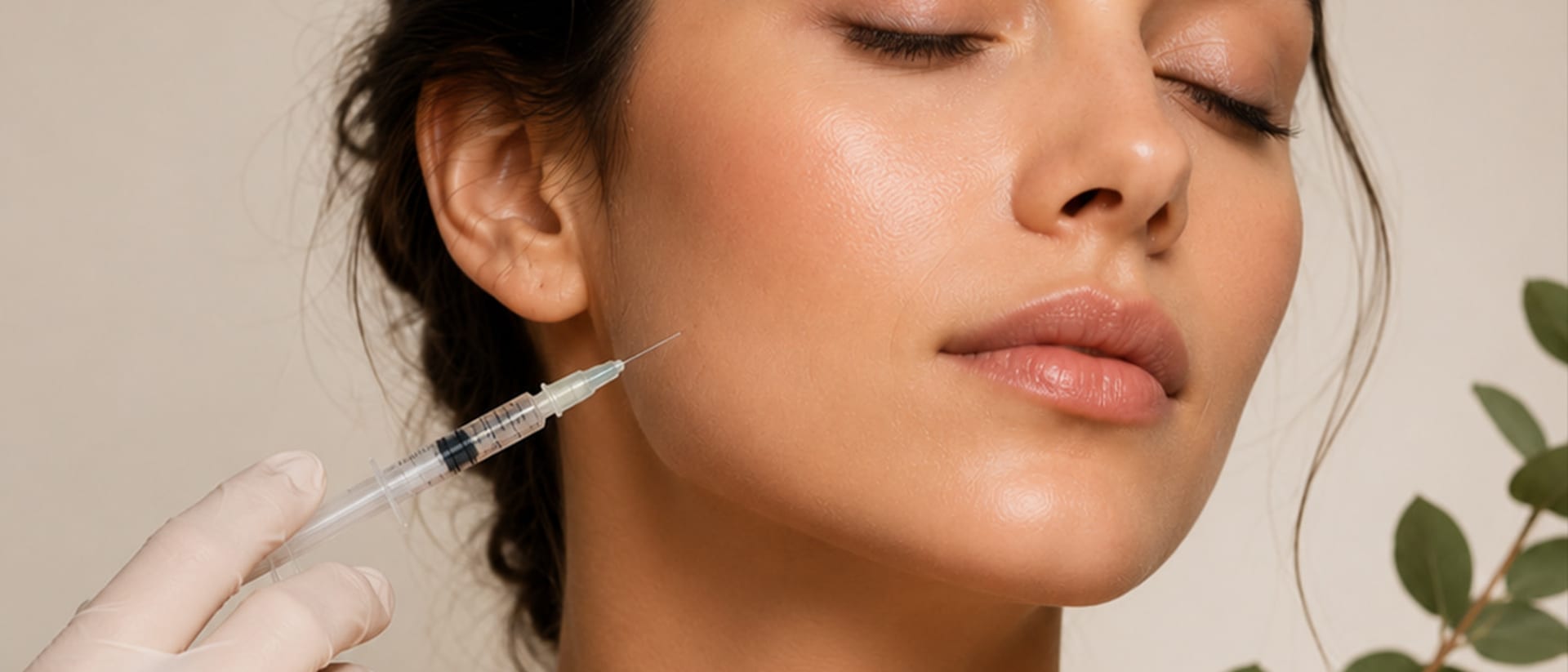
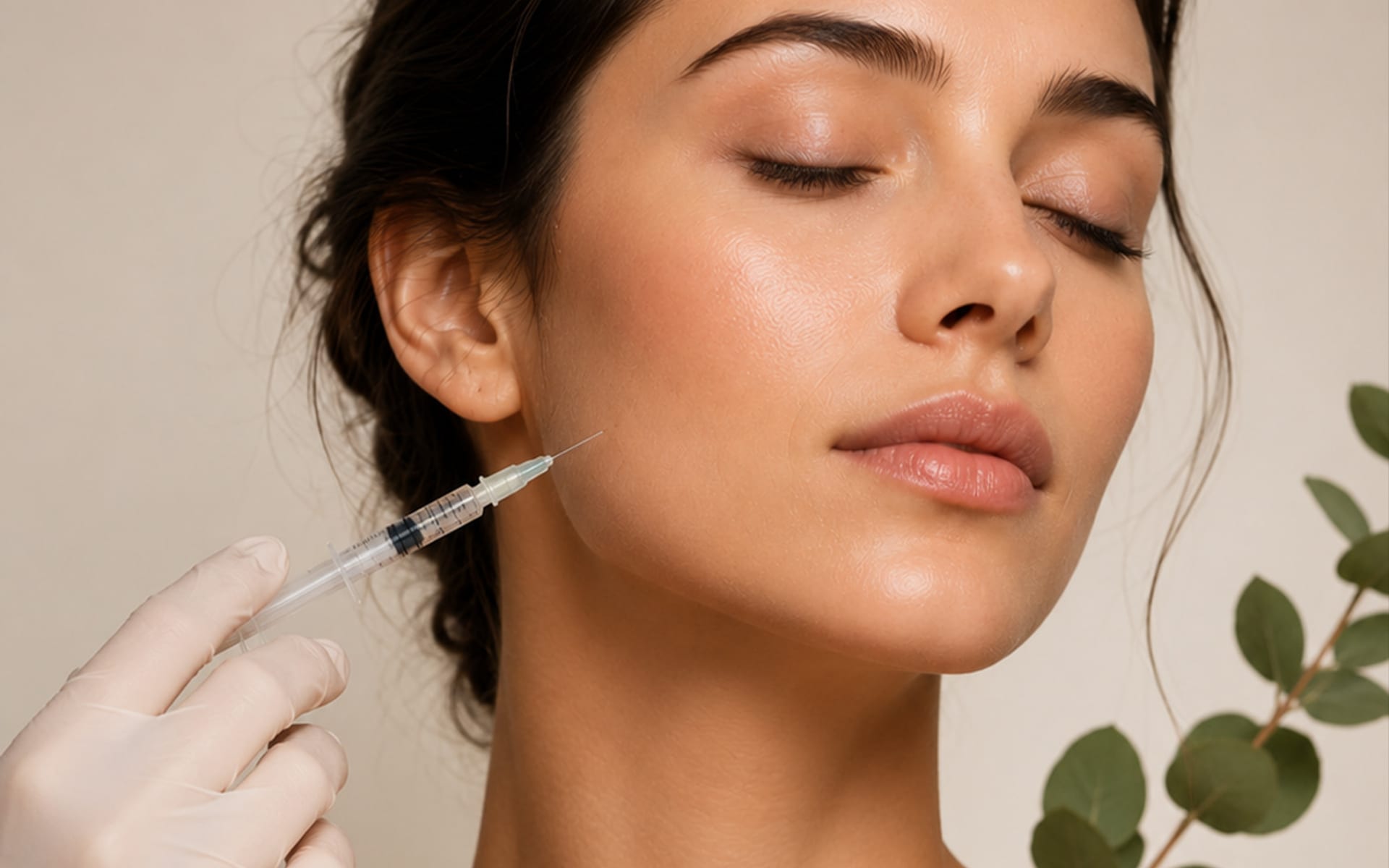
If your features have not really changed but your skin looks dull, tired and somehow flat, you are probably dealing with a skin quality problem rather than a volume problem. PRP comes up exactly at this point, and it is one of the few treatments where the active material is your own blood. Here is what PRP is, how it is prepared, how it works on facial skin, what a session looks like, and who should not have it.
What is PRP?
PRP stands for platelet rich plasma. A small amount of your blood is drawn and processed so that the plasma fraction containing a higher-than-normal concentration of platelets can be separated out. Nothing synthetic is added. There is no filler substance, no drug, no donor material.
Platelets are not only the cells responsible for clotting. They carry granules holding a range of growth factors that the body releases during tissue repair. PRP is built on that observation: concentrate your own repair signals and deliver them directly to the area that needs them.
One thing is worth saying up front. PRP is not a volumizing treatment. It will not fill a hollow or sharpen a jawline. What it addresses is skin quality: vitality, hydration, brightness and overall freshness. That is why PRP does not compete with filler or botulinum toxin, it usually complements them, and it sits under the broader heading of regenerative aesthetics.
How it is prepared: the centrifuge
The whole preparation happens in front of you, in a single visit.
- Blood draw: A small volume of blood is taken from your arm, much like a routine blood test.
- Centrifugation: The blood goes into specialized tubes and then into a centrifuge, which spins at high speed and separates the components by density.
- Separation: Red cells settle at the bottom while the platelet rich plasma layer stays above them. The physician isolates that layer under sterile conditions.
- Application: The plasma is delivered into the appropriate layer of the skin with fine needles or a cannula.
The device, the tube system and the spin protocol all influence what ends up in the syringe. PRP is therefore not identical everywhere. The sterility and standard of the preparation matter as much as the injection technique itself.
How it works on the face
PRP does not create an instant plumping effect. It works by prompting the skin's own repair process, and it unfolds over time rather than overnight.
Growth factors released from the platelets stimulate fibroblasts, the cells that produce the collagen and elastin forming the skin's supporting network. When these cells work more actively, the tissue is gradually better supported. Supporting local microcirculation may also contribute to a livelier skin tone.
What patients typically report over a course of treatment:
- Fresher tone and a visible improvement in radiance
- Softening of fine surface lines
- Smoother, better-hydrated skin texture
- Better tissue quality in the under-eye area
Results vary from person to person. Age, smoking, accumulated sun damage, sleep and general health all shape the response. No physician can guarantee what you will get from PRP. The honest framing is not "renewing your skin" but "supporting your skin's own capacity to renew itself."
Sessions and what to expect
PRP is usually planned as a series rather than a single session. A common approach is an initial course of sessions spaced a few weeks apart, followed by maintenance sessions at longer intervals. How many sessions you need, and how far apart, depends on your skin, your age and your goal. That plan can only be set after an examination.
The session itself is short. Topical numbing cream may be applied beforehand; mild stinging during injection is normal. Afterwards you can expect redness, slight swelling and occasionally small bruises, which generally settle within a few days.
A few simple rules help during recovery: skip makeup on the day of treatment, avoid saunas, intense exercise and direct sun for the first few days, and postpone harsh skincare actives for a while. Improvement is gradual. Do not judge the result in the first week; look at where your skin is several weeks in.
PRP is also used on the scalp on similar principles, which we cover in hair PRP treatment. If you are unsure which regenerative option fits you, PRP vs exosome vs polynucleotide gives a side-by-side view.
Who should not have PRP
Because PRP is made from your own blood, the risk of an allergic reaction is low. That does not make it suitable for everyone. Situations where PRP is not appropriate, or needs careful assessment, include:
- Blood disorders: Conditions affecting platelet number or function, clotting disorders and certain bone marrow diseases.
- Blood thinners: If you take anticoagulant or antiplatelet medication, the decision is made together with the doctor who prescribed it. Never stop such medication on your own.
- Active infection: Treatment is postponed if there is an active skin infection at the site or a systemic infection.
- Active cancer treatment: For patients under oncological care, the decision belongs with the treating team.
- Pregnancy and breastfeeding: Elective aesthetic treatments are generally deferred.
- Poorly controlled chronic disease: Uncontrolled diabetes, for example, can impair tissue healing.
Treat this list as a conversation starter, not a screening quiz. Sharing your full medication list, supplements and medical history is the single most important step for a safe treatment.
Frequently asked questions
How long do the effects of PRP last? It varies from person to person. On average, the improvement gained from an initial course of sessions is maintained for several months and holds longer when supported with maintenance sessions. Since your skin continues to age, PRP is an ongoing support rather than a permanent fix.
Can PRP replace filler? No. PRP does not add volume; it supports skin quality. In an area with genuine volume loss or a contouring need, it will not do what a filler does. The two can be combined in some plans, but that decision follows an examination.
Is the treatment painful? The blood draw feels like a routine blood test. Mild stinging during injection is normal, and topical numbing cream can be used if needed. Comfort thresholds differ between people.
If you are in Istanbul and want to understand whether PRP or a different approach suits your skin, you can arrange a consultation at our Yeşilköy clinic.
This content is for informational purposes only and does not replace a medical consultation.