5 min read
Mid-Face Volume Loss: Why It Happens
Mid-face volume loss: why it happens, which signs give it away and which options come up? A short plain guide to the subject for anyone weighing it up.
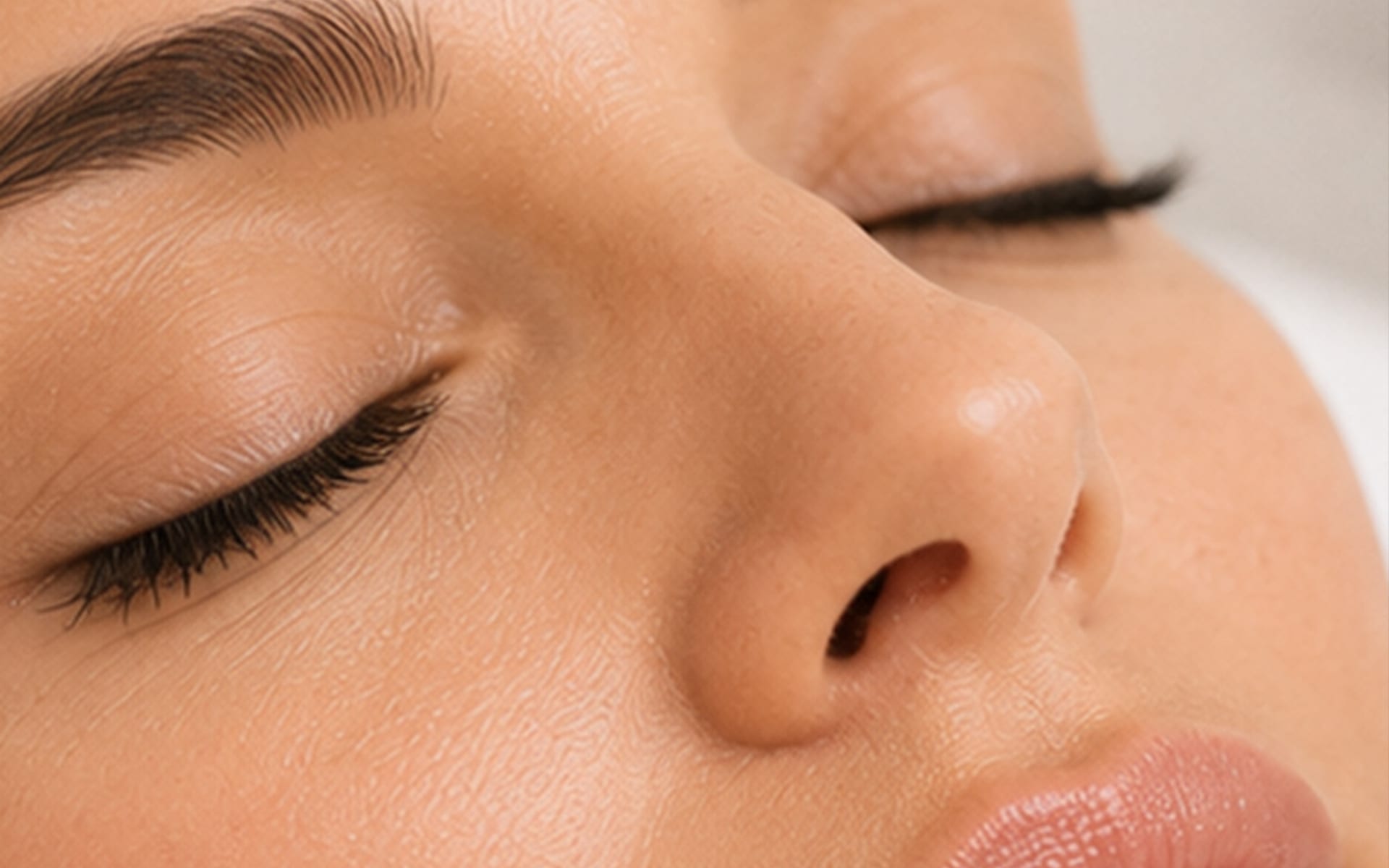
Mid-face volume loss is one of the earliest changes in the face and one of the last to be noticed. Nobody looks in the mirror at their cheekbones and says "this has emptied out"; what gets noticed instead is a shadow under the eye, a deepening line or a general tiredness. This article separates the causes from the signs.
Where exactly is the mid-face?
Short answer: The region running from just below the lower eyelid to the corner of the mouth. The cheekbone, the upper part of the cheek and the transition between them all sit inside it.
The importance of the region comes from it carrying the rest of the face. The volume here determines how both the eye area above and the lower face below get read.
So a loss in the mid-face does not show only in its own area. Its effect appears above under the eye and below at the smile line.
Another feature of the region is that the change is slow. A loss spread over years is invisible day to day and is usually seen when comparing old photographs.
Why does it happen?
The first factor is the bony platform itself. This part of the skull also changes with age and the surface carrying the tissue above recedes.
The second factor is the fat compartments. There is more than one fat pad in the mid-face and they both thin and shift downwards.
The third factor is connective tissue and skin. Falling elasticity makes the downward movement easier and the loss more visible.
The fourth factor is weight change. Rapid weight loss is noticed early here, and repeated cycles of gaining and losing make the effect stronger.
Which signs give it away?
Short answer: A lengthening transition under the eye, flattening at the cheekbone, deepening at the smile line and a general impression of tiredness. All four are different views of the same loss.
The earliest sign usually appears under the eye. The transition between the lower eyelid and the cheek lengthens and the area takes on a shadow.
The second sign is the smile line. Tissue shifting downwards leaves a border running from the side of the nose to the corner of the mouth; we covered what deepens nasolabial folds separately.
The third sign reads in profile. When the cheekbone flattens, the face gives a less defined contour from the side and light no longer gathers there as it did.
Why does losing weight matter?
Facial fat does not behave independently of the rest of the body. When weight comes off, the volume here falls too, and in most people that shows earlier than expected.
The size of the effect varies. Some faces read more clearly as they slim; in others the mid-face empties noticeably and the face looks more tired than before.
Repeated weight fluctuation makes the picture worse. The tissue does not recover with the same elasticity each time and the loss gradually becomes more permanent.
So factoring the face into a rapid weight-loss plan is worth doing. Once the loss is marked, it does not reverse as easily as the change in the body did.
What can slow it?
Sun protection is one of the few genuine steps that slows the process, because it reduces the cumulative damage to the connective tissue of the skin.
Stopping smoking works in the same direction. Because it affects tissue repair and circulation, it feeds into the general course of volume loss in the face.
Avoiding heavy weight fluctuation is the third heading. None of these reverses an existing loss; all of them work on the preventive side.
There is no reliable basis for the creams or devices sold for this region restoring lost volume, and that is worth saying plainly. Skin care can contribute to tissue quality but does not put volume back.
Which options come up?
Short answer: Where the loss dominates, volume support is discussed. Where skin laxity dominates, volume added from below does not create tension.
Support generally goes where the loss is, which means upwards. Working on the line below leaves the cause in place and loses the result earlier; we covered cheek and mid-face filler separately.
The limit applies here too. Past a certain point, added volume stops creating balance and starts weighing the face down; our guide to natural aesthetics covers why a measured approach is preferred.
Which heading carries more weight cannot be worked out from a photograph. The assessment is made in person and the scope of the treatment sits on the mid-face filler page.
Frequently asked questions
Can mid-face volume loss happen young? It can. In some faces the mid-face is naturally flat and the cheekbone support limited; the cause is anatomy rather than ageing. Rapid weight loss can produce a similar picture at a young age too. In both cases the expectation is set differently and the decision is made in person.
Will gaining weight bring it back? In some people gaining weight restores some facial volume, but where the face fills from varies between individuals. Planning to gain weight as an aesthetic method is also not a sound approach in terms of general health, which is why it is not advised.
Do facial exercises help? Where the loss comes from the bony platform and the fat compartments, the effect expected from exercise does not appear. No movement restores volume in this region and there is no reliable basis for the claim. Habits that support general health do contribute indirectly.
If you would like to work out where the change in your mid-face comes from and which approach suits it, a consultation is the place to discuss it.
This content is for informational purposes only and does not replace a medical consultation.