5 min read
Aftercare After PRP: The First Days
Aftercare after prp: what to do in the first days, what to avoid and which findings need reporting? A short plain guide that sets the whole thing out.
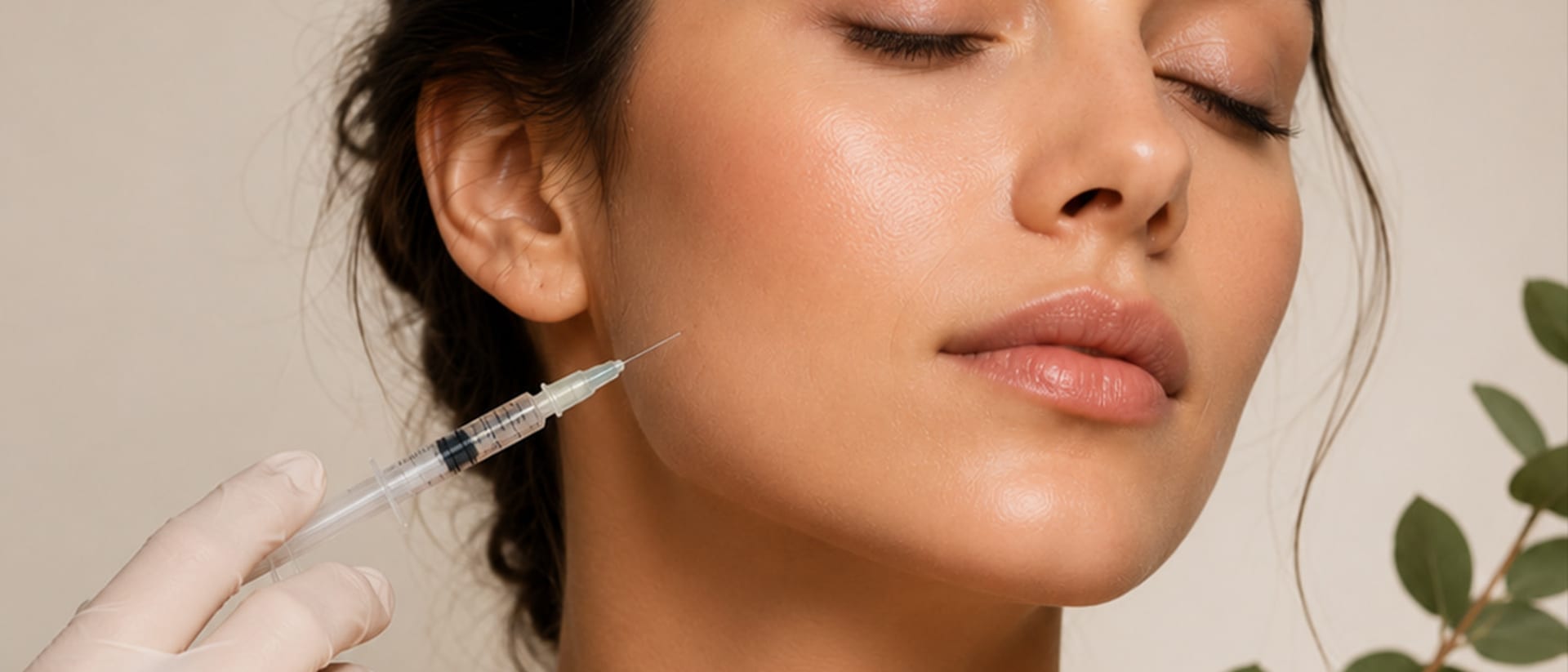
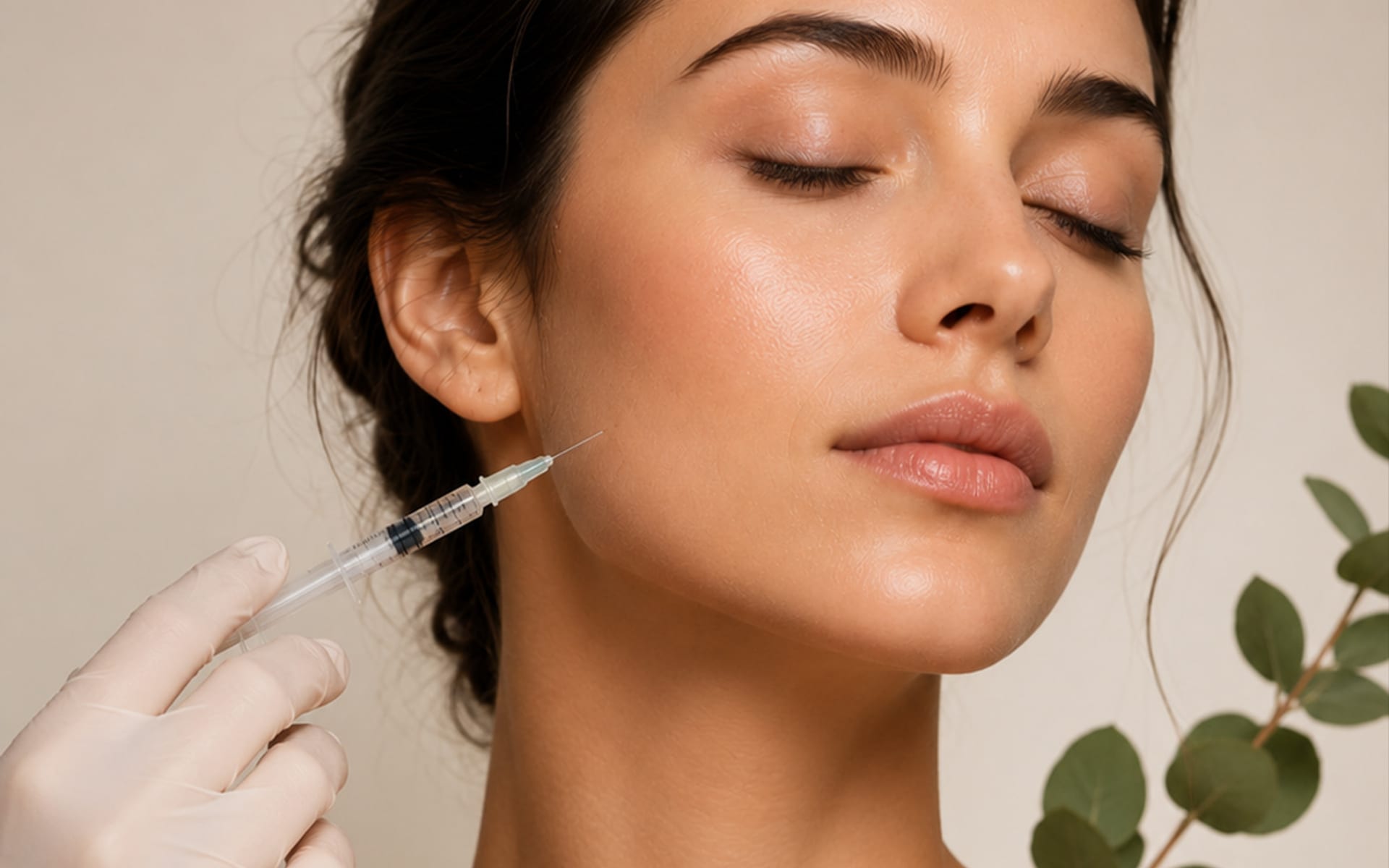
Aftercare after PRP gets discussed far less than the treatment itself, yet it affects both comfort and the result directly. Most of the instructions rest on one idea: after a treatment that breaks the skin barrier, leave the area alone for the first days. This article sets out the aftercare with its reasons.
What happens in the first hours?
Short answer: The area is left alone. Redness and mild tenderness at the injection points are expected findings and settle on their own.
Not pressing on, rubbing or scratching the area is the first rule. The reason belongs to the needle rather than to the treatment: every point that crosses the skin barrier leaves a temporary opening.
The second rule is cleanliness. The area is kept clean, but harsh products and scrubbing are postponed for the first days.
The third rule is covering. When makeup, sunscreen or a skincare product can go on is set by the clinic, and that instruction matters more than any general rule.
What is avoided in the first days?
Intensive exercise, sauna, steam rooms and very hot showers are postponed. All of them increase blood flow to the area and can make redness and swelling more obvious.
Pools, the sea and thermal baths belong to the same group. In a period when the skin barrier is temporarily open, water you cannot control is postponed on infection grounds.
Sun exposure is the third heading on that list. Keeping the area out of direct sun is advised for comfort and for pigmentation alike.
Alcohol and products with a blood-thinning effect may be limited too. That stands as a suggestion that reduces the likelihood of bruising rather than as a rule.
What changes for the scalp?
Short answer: When to wash, which products can be used, and things that press on the area such as hats. All three are instructions limited to the first days.
When to wash the hair is the most-asked heading. Clinics generally suggest leaving the first wash to the following day, and the instruction is given at the end of the session.
The second heading is products. When care products other than shampoo, dye and styling products can be used is stated separately.
The third heading is anything that presses on the area, such as a hat or a helmet; postponing those in the first days is advised.
The fourth heading is expectation about shedding. A short-lived increase in shedding can be described in the first weeks, and it does not mean a mistake was made in aftercare.
What changes on the face?
For facial treatment the timing of makeup comes first. Because not irritating the skin in the first 24 hours reduces the risk, makeup is generally left to the following day.
The second heading is the skincare routine. Acids, retinoids and mechanical exfoliation are postponed in the first days; when to return to them is stated at the end of the session.
The third heading is the eye area. Bruising is more common there, and not scheduling treatment immediately before an important commitment is a practical suggestion.
Which findings need reporting?
Short answer: Increasing pain, spreading redness, warmth, discharge and fever are not expected findings and need reporting without delay.
What separates them is direction and timing. Expected findings are marked in the first hours and then fade; the reportable ones increase over time or appear later.
Widespread itching, a rash and facial swelling also belong among the findings to report. Those need to be seen rather than assessed over the phone; we gathered the side effect headings in hair PRP side effects.
Findings at the blood-taking site belong on that list too. Increasing pain, swelling or redness there should be reported just as readily.
When does normal life resume?
Most of the expected findings settle within the first days. That period varies with the area treated and the person's sensitivity.
Most of the instructions are limited to the same window. Returning to the usual routine afterwards poses no problem and no additional care is needed; there is no reliable basis for the special products sold for that period.
Judging the result runs on a separate timeline. When the aftercare period ends the result has not settled yet, and confusing the two timelines is the known cause of early judgements. We covered what to do before PRP and how to read the evidence separately. The scope of the treatment sits on the hair PRP page.
Frequently asked questions
Can I shower the same day? A shower generally poses no problem, but very hot water and scrubbing the area are postponed for the first days. For scalp treatments the timing of the first wash is stated separately. The clinic gives its own instruction at the end of the session and that matters more than any general rule.
Can I take painkillers? Which painkiller can be used is asked at the end of the session, because some of them can increase bleeding and bruising. Asking beats choosing on your own. Any chronic medication you take should already have been mentioned before the treatment.
When can I go back to exercise? Postponing heavy training on the first day is the general suggestion; light walking poses no problem in most plans. The reasoning is increased blood flow and sweat irritating the area. The exact period varies with the area treated and is given by the clinic at the end of the session.
If you would like to talk through the routine after treatment and the instructions specific to you, a consultation is the place to do it.
This content is for informational purposes only and does not replace a medical consultation.