6 min read
Aesthetic Priorities in Your 30s
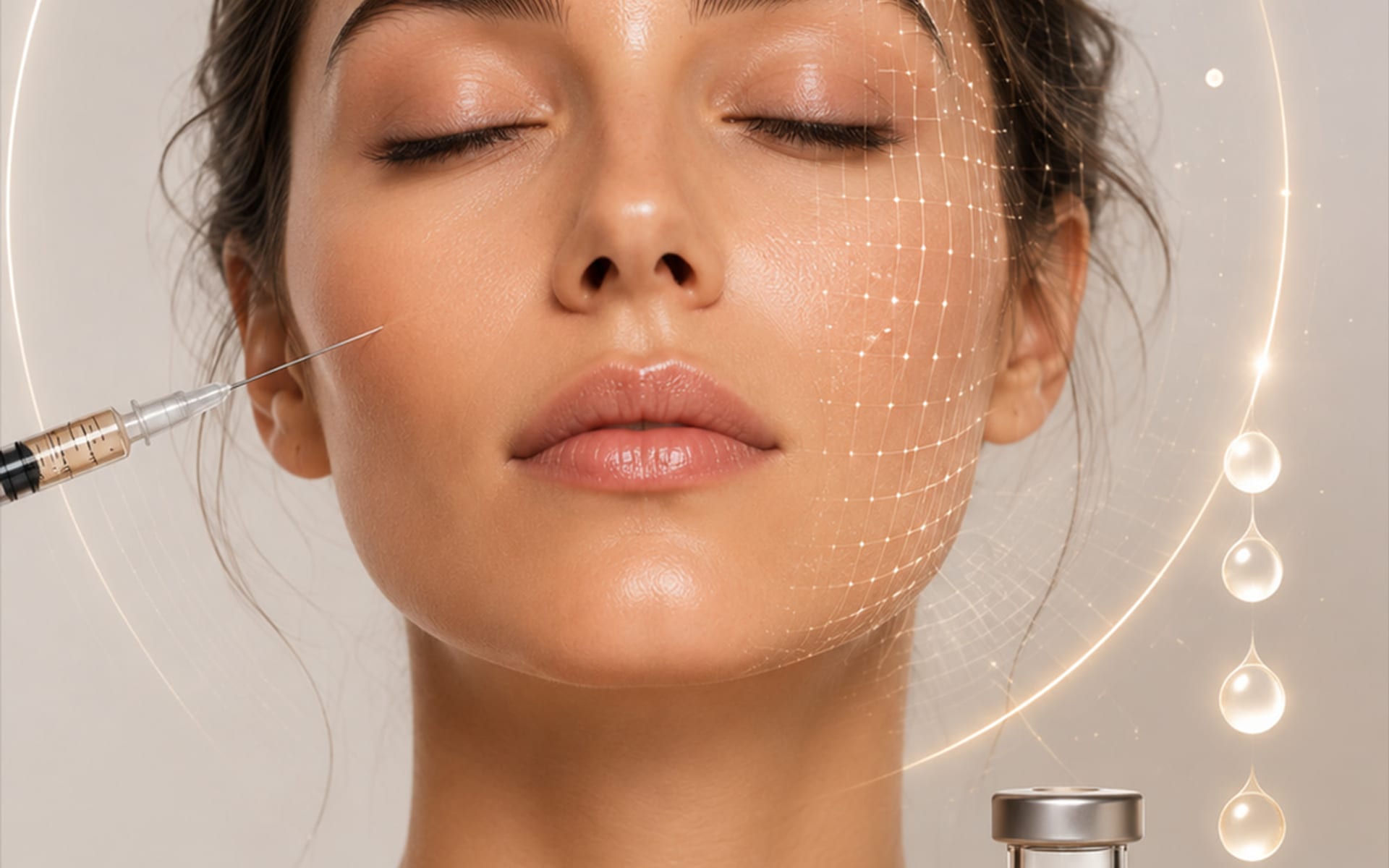
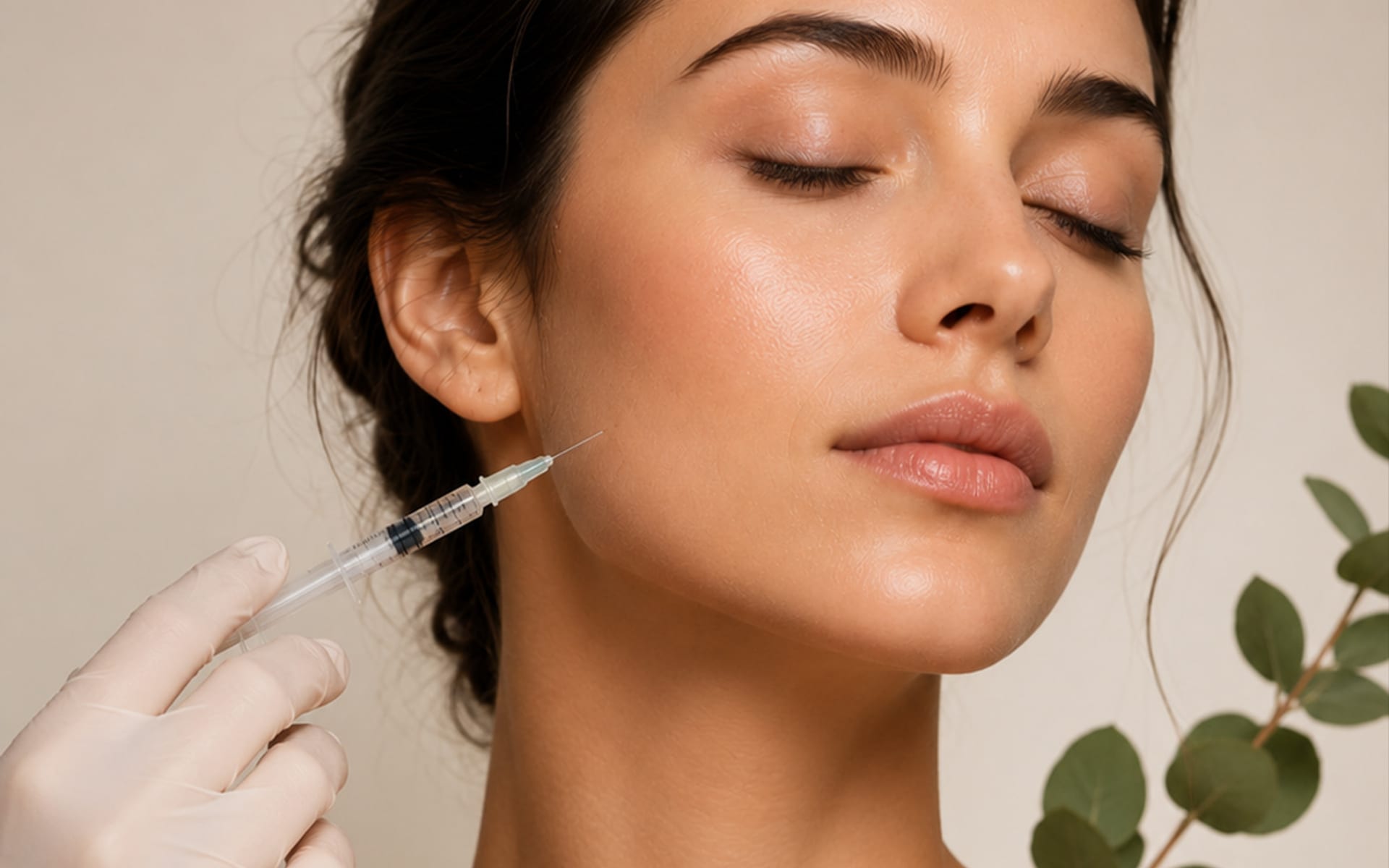
Aesthetics in your 30s: collagen starts declining, so should you focus on skin quality or volume? When first treatments make sense, and how to avoid overdoing it.

You slept well, but the mirror did not get the memo. The smile line takes a little longer to fade, the skin looks flatter than it used to, and a stranger asks if you are tired. That is usually the moment people start reading about aesthetics in your 30s — and the first question is almost always the same: am I too early, or already late? This guide covers what actually changes in this decade, what to prioritize, when a first treatment makes sense, and how to keep from overdoing it.
What actually changes in your 30s
Your 30s are not the decade the face suddenly ages. The shift is slow, and most people notice the recovery time before they notice the result: skin that used to bounce back overnight now takes a few days. Cell turnover slows, the skin holds less water, and collagen production starts to decline. General medical consensus places the beginning of that decline in the mid-20s; the 30s are simply when it becomes visible.
In everyday terms:
- Skin tone looks less even, and radiance drops off.
- Expression lines start to linger faintly even when the face is at rest.
- The under-eye area tires faster and recovers slower.
- A very slight loss of support may show in the cheeks.
- Pores and texture irregularities read more clearly than before.
How fast this happens varies enormously. Genetics, sun exposure, smoking, sleep and hormonal factors can put two people of the same age in completely different places. There is no "at 30 you do X" checklist. Age does not decide what is appropriate — an examination does.
Skin quality first, volume later
This is the defining distinction of the decade. For most people in their 30s, the real issue is not lost volume — it is declining skin quality. The face has not collapsed; the skin has lost its light. Missing that distinction is the most common mistake made at this age. When a skin-quality problem is treated with a volume solution, the result is a fuller face that still looks dull.
A sensible order of priorities usually looks like this:
- Protection comes first. Sun protection, sleep, no smoking, and a consistent skincare routine form a foundation no injection can replace.
- Skin quality comes second. Approaches that support hydration, texture, tone and radiance tend to give the highest return in this decade.
- Volume comes last. In your 30s, volume support is often unnecessary — and when it is indicated, it should be limited and targeted.
Getting the skin quality versus volume question right is one of the decisions that quietly shapes how your face looks ten years from now.
When a first treatment makes sense
"If I start early, will I be locked in?" is a fair question, but the answer lies in the reason, not the timing. A treatment makes sense when there is a defined need. A birthday is not a defined need.
Situations where a first treatment is reasonably considered:
- An expression line has begun to persist even when the face is relaxed — a low-dose muscle-relaxing approach may be discussed.
- Dullness, fine lines and dehydration dominate — regenerative and supportive approaches aimed at skin quality come into play.
- A genetically weaker area, such as a pronounced shadow, is sharpening with age, and a very limited amount of support is on the table.
And situations where it is not reasonable: wanting to look like a photograph, asking for a "protocol" you saw online, or simply feeling that your age says so. No doctor can guarantee an outcome, and no treatment stops aging. The goal is to preserve and support the way you naturally look.
The logic of combining treatments
In your 30s, no single treatment answers everything. Different concerns live in different layers of the face, and each layer has its own answer. Combining is not about doing more — it is about matching the right tool to the right question.
The logic is straightforward:
- Lines caused by muscle movement are a muscle-level question.
- Dullness, dehydration and uneven texture are a skin-level question.
- Loss of support and contour is a deep-layer question — and for most people in their 30s, it is not yet the priority.
Which is why a good plan rarely does everything in one appointment. Treatments are spread across months, the result is observed, and something is added only if it is genuinely needed. Sequence and interval are individual, and can only be set after an examination.
Not overdoing it
Your 30s are when your relationship with aesthetics is established, and the habits you form here shape the next twenty years. The bigger risk at this age is not under-treating — it is treating what did not need treating. The reason is simple: a young face has little margin, so small excesses read as excess immediately.
Practical ways to stay on the right side of the line:
- Start small. Adding later is always possible; taking away is not always easy. The less-is-more approach applies especially well here.
- Wait for the result. Treatments need time to settle. Judge at two weeks, not the next morning.
- Do not accumulate areas. Adding a new zone at every session moves the face somewhere you never chose.
- Do not aim to be noticed. The measure of success is someone saying you look rested, not asking what you had done.
- Stop comparing. A filtered image is not a target for your face.
How long results last, how often they are repeated, and which approach suits you is entirely individual. Those decisions come from an examination, not from an article.
Frequently asked questions
Is 30 too early for aesthetic treatments? Age alone is not a criterion. What matters is whether there is a defined need. If an expression line persists at rest, or if there is a clear change in skin quality, low-dose and targeted approaches may be considered. That assessment is made in person.
In your 30s, should you prioritize fillers or skin treatments? For most people at this age the priority is skin quality, and volume support tends to belong to later decades. Genetics create exceptions, so the right sequence is individual.
If I start early, do I have to keep going forever? Most of these treatments are reversible, and their effect fades over time — if you stop, your skin returns to its own natural course. Continuing is always your choice.
If you are in Istanbul or planning a visit, a consultation in Yesilkoy — a short drive from the airport — is a good place to talk through what actually deserves priority in this decade, and what does not.
This content is for informational purposes only and does not replace a medical consultation.